

Nutrition Recommendations for Remote Workers: Healthy Meals
Remote work often blends deadlines with distractions. Meals sometimes get skipped, replaced, or eaten too fast between video calls. While flexibility is a perk, nutrition can slip through the cracks. That’s why conversations around balance are similar to exploring tasty meal options for remote workers. They both matter. Food choices directly affect energy, concentration, and long-term health. A little planning goes a long way in keeping both brain and body fueled. Here’s everything to know about essential nutrients for remote workers.
Prioritizing Balanced Meals
 A complete meal isn’t about filling a plate randomly. It’s about combining proteins, complex carbohydrates, and healthy fats. This mix steadies blood sugar and helps avoid those afternoon slumps that remote workers know too well. Eggs with whole-grain toast, chicken with quinoa, or beans with brown rice are simple examples. Balance also prevents over-reliance on processed snacks. By having nourishing meals prepared in advance, the fridge feels more like a tool than a trap. Over time, consistent balance supports metabolism and reduces fatigue, turning meals into steady fuel rather than quick fixes.
Smart Snacking for Sustained Energy
Snacking is inevitable when the kitchen is just steps away. The trick is to make it an ally rather than a setback. Nuts, Greek yogurt, fruit, or veggie sticks provide a mix of fiber and protein that keeps hunger in check without the sugar crash. Building a “snack station” at home helps. A small basket with healthy options makes reaching for something nutritious easier than digging into chips. By choosing snacks that satisfy and sustain, energy remains more consistent across work hours.
Hydration as a Performance Tool

Dehydration quietly sabotages focus. Even slight drops in fluid levels can cause sluggishness or headaches. For remote workers, water should be part of the desk setup, just like the laptop. A reusable bottle within reach is often enough of a reminder. Adding variety helps make hydration less dull. Infused water with lemon or cucumber, herbal teas, or even sparkling water keeps things interesting. By making hydration part of the routine, productivity feels smoother, and fatigue doesn’t creep in as easily.
Mindful Eating for Better Digestion
Working from home often leads to distracted eating—meals in front of screens, bites taken during meetings, or rushed lunches. This pattern can lead to overeating or digestive discomfort. Mindful eating offers a solution. It’s about slowing down, chewing thoroughly, and noticing fullness cues. Simple practices make it possible: setting the laptop aside during meals, using smaller plates, or even taking a five-minute pause before grabbing seconds. These habits support digestion and help regulate appetite, making meals both enjoyable and effective in fueling the body.
Planning Ahead to Avoid Decision Fatigue
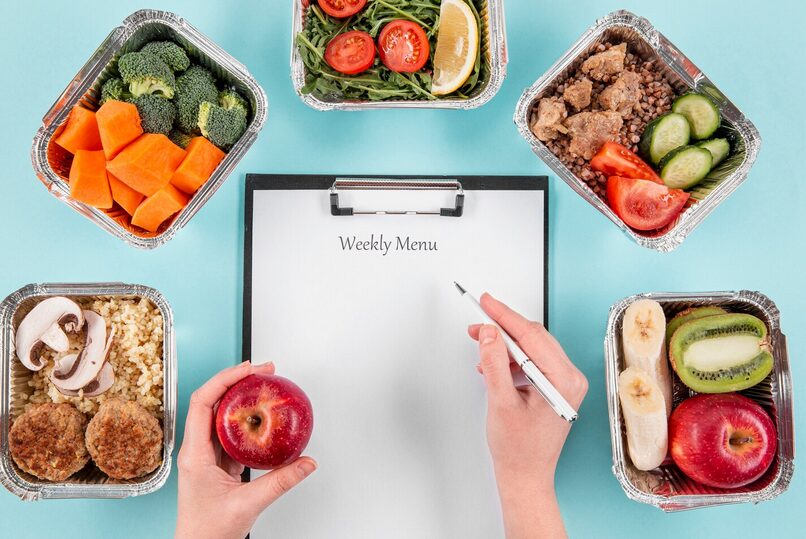 Remote work requires many small decisions throughout the day. Constantly choosing meals adds to the mental load. Planning ahead eases this burden. Batch cooking on weekends, keeping a list of easy go-to meals, or prepping ingredients in advance reduces stress and saves time. Nutrition shapes the quality of remote work as much as Wi-Fi speed or task management tools. Balanced meals, healthy snacks, proper hydration, mindfulness, and planning form the foundation. These small, steady choices build resilience through the day, helping remote workers stay energized, focused, and healthy, without sacrificing comfort or flavor.