
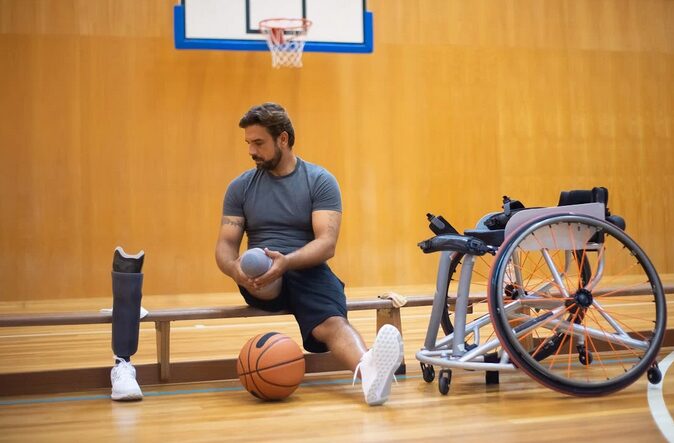
Adaptive Fitness Equipment for Individuals With Limited Mobility
Staying active is important for everyone. But for individuals with limited mobility, traditional fitness routines can feel out of reach. Adaptive fitness equipment changes that. It allows people to safely build strength, improve flexibility, and support overall health on their own terms. These tools aren’t about doing more than you can. They’re about making exercise work for your body, your pace, and your needs.
Access and Safety
Most gym equipment is made for people with a full range of motion and balance, and that’s why this list of mobility tools is helpful and practical in environments where limited mobility becomes an issue. They focus on stability, ease of use, and low-impact movement. Many machines are built to be used from a seated position or a wheelchair. Others feature extended handles, adjustable supports, or resistance systems that don’t rely on gravity. These features help ensure safety while promoting activity.
Resistance Bands and Hand Cycles
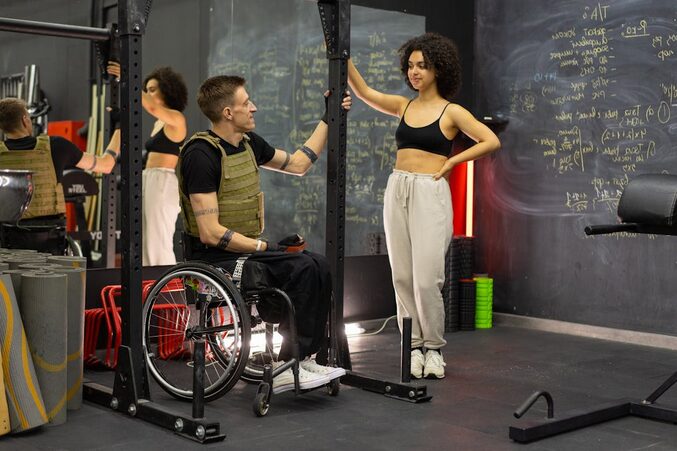
Not every tool needs to be high-tech. Resistance bands are simple but powerful. They come in varying tension levels and can be looped around chairs, tables, or even held by a partner. They’re great for building strength in arms and legs, and they travel easily. Hand cycles are another excellent option. These devices allow users to pedal with their arms, which supports cardiovascular health and upper-body strength without needing to stand or walk.
Ellipticals and Pedal Machines
Pedal exercisers are compact, low-impact machines that can be placed on the floor or a tabletop. Some are motor-assisted, which means they help users complete the motion. This is especially useful for people who have joint stiffness or fatigue. Seated ellipticals add smooth, circular motion without requiring standing balance. Both options offer a unique way to stay active from a chair, making them ideal for daily home use.
Weight Machines
Many commercial gyms now offer inclusive equipment. Weight machines with swing-away seats or wheelchair access allow users to train safely without transferring to another surface. Lever-based resistance systems give more control than free weights. Adjustable heights, straps, and handles ensure better alignment. These machines are often overlooked, but they allow people with limited mobility to perform full-body workouts without unnecessary strain.
Supportive Tools for Balance and Grip
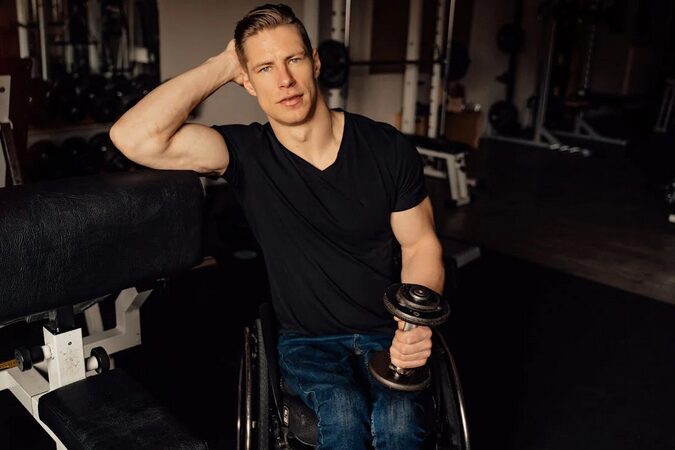
Limited mobility often includes difficulties with grip strength or balance. Adaptive gloves help those with weak hands hold onto bands, handles, or weights. Stabilizing straps can keep limbs in place during exercise. Balance aids like parallel bars, therapy benches, or strap-on ankle weights offer added support. These devices make workouts more comfortable and reduce the risk of injury. Even something as basic as a non-slip mat can be an essential piece of equipment.
Water-Based Fitness Tools
The buoyancy of water reduces pressure on joints, which makes aquatic fitness an excellent option. Pool-based resistance equipment like water dumbbells, float belts, and aqua gloves is specifically made for low-impact movement. People with arthritis, spinal injuries, or balance challenges often find water exercises less painful and more enjoyable. Many community centers and rehab clinics have heated pools equipped with ramps or lifts for easier access.
Fitness should be accessible to all, regardless of mobility level. Adaptive equipment opens doors both physically and mentally. It empowers people to move, stretch, and strengthen with confidence. These tools offer a unique kind of freedom: the freedom to train safely, the freedom to explore limits, and the freedom to take control of health. With the right equipment and guidance, people with limited mobility can enjoy the utmost benefit from a routine built just for them.